
What Credit Score Do I Need for a Car Loan?
Your credit score is the most important number in your auto financing application. It determines whether you get approved, what interest rate you receive, and ultimately how much your vehicle actually costs you in total. The difference between a 720 credit score and a 580 credit score on the same $30,000 car loan can mean paying $8,000 to $12,000 more in interest over the life of the loan.
This guide explains exactly what credit score you need for a car loan in the US, how each credit tier affects your interest rate, and what you can do to improve your score before applying.
Minimum Credit Score Requirements for a Car Loan
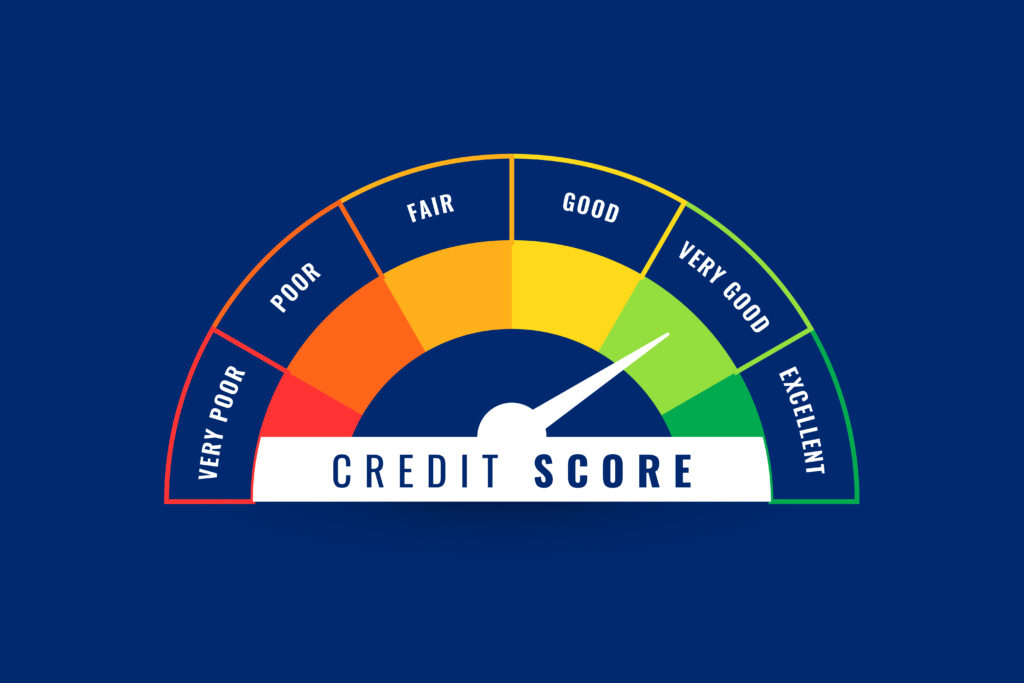
There is no universal minimum credit score required by law to get a car loan. However, most traditional lenders prefer a score of 620 or above. Here is a breakdown by credit tier:
- Super Prime (720-850): Best rates, easiest approval, access to manufacturer 0% financing deals
- Prime (680-719): Good rates, strong approval odds at banks and credit unions
- Near Prime (620-679): Higher rates, approval likely but more expensive — credit union recommended
- Sub-Prime (580-619): High rates, some lenders decline — larger down payment helps
- Deep Sub-Prime (300-579): Very high rates, limited lenders, co-signer may be required
Borrowers with scores below 580 can still get auto loans through specialized subprime lenders, buy-here-pay-here dealerships, or with a creditworthy co-signer. However, the interest rates at this level (often 18-24% APR) make the loan very expensive.
How Your Credit Score Affects Your Auto Loan Interest Rate
According to Experian, here are the current average APRs for new vehicle financing by credit tier:
- Super Prime (720+): 4.66 – 5.50% APR
- Prime (680-719): 6.50 – 7.50% APR
- Near Prime (620-679): 9.00 – 11.00% APR
- Sub-Prime (580-619): 12.00 – 16.01% APR
- Deep Sub-Prime (300-579): 14.00 – 21%+ APR
On a $30,000 loan for 60 months, the difference between super prime (5% APR) and sub-prime (14% APR) is approximately $150 per month and over $9,000 in total interest. That is a significant cost for the same vehicle.
Use the free auto loan calculator to see exactly how your credit tier changes your monthly payment. Select your credit score from the dropdown and it auto-fills the current average rate for your tier — then adjust it to see the impact of improving your score.
How to Improve Your Credit Score Before Applying
Pay Down Credit Card Balances
Credit utilization — the percentage of your available credit that you are using — accounts for approximately 30% of your FICO score. Reducing your balances below 30% of each card limit, and ideally below 10%, can raise your score by 20-50 points within one to two billing cycles.
Fix Any Errors on Your Credit Report
According to the FTC, approximately one in five Americans has an error on their credit report that affects their score. Get your free credit reports at AnnualCreditReport.com (the only federally authorized source) and dispute any inaccurate accounts, incorrect balances, or fraudulent entries. Verified errors must be corrected within 30 days.
Avoid New Credit Applications Before Applying
Each credit application creates a hard inquiry that temporarily reduces your score by 5-10 points. Avoid opening any new credit cards, store accounts, or loans in the 3-6 months before applying for an auto loan.
Make Every Payment On Time
Payment history is the largest component of your FICO score at 35%. Even one 30-day late payment can drop your score by 50-100 points. Set up automatic minimum payments on every account to eliminate the risk of missed payments.
How Much Car Can You Afford Based on Your Score?
Your credit score does not just affect your rate — it determines how much car you can realistically afford. A buyer with a 720+ score at 5% APR can afford a $35,000 vehicle at the same monthly payment as a buyer with a 600 score at 14% APR paying for a $24,000 vehicle.
Use the car affordability calculator to find your maximum vehicle price based on your income and expected interest rate. Enter your monthly take-home pay and it shows the maximum payment that fits within the recommended 10-15% of income guideline — then calculates the vehicle price that stays within that limit at your credit tier rate.
Tips for Getting Approved with a Low Credit Score
- Larger down payment: 20% or more significantly reduces lender risk and improves approval odds
- Shorter loan term: 36 or 48 months signals lower risk than 72 or 84 months
- Credit union vs bank: Credit unions approve near-prime and sub-prime borrowers more frequently and at lower rates than traditional banks
- Co-signer: A creditworthy co-signer with 680+ score can help approval and improve the rate
- Used vehicle: Lenders are sometimes more flexible on rates for lower-value vehicles
Ready to compare all your auto finance options? Visit the Auto Finance Tools hub for six free calculators covering auto loans, car leasing, refinancing, affordability, lease vs buy comparison, and early payoff.
Frequently Asked Questions
Can I get a car loan with a 500 credit score?
Yes, but it will be expensive. Lenders who work with deep sub-prime borrowers typically charge 18-24% APR. A $15,000 loan at 20% for 60 months costs $8,000 in interest — more than 50% of the car value. If possible, spend 6-12 months improving your score before applying or use a co-signer with stronger credit.
Does getting pre-approved for a car loan hurt my credit?
Yes, slightly. Each pre-approval creates a hard inquiry, typically reducing your score by 5-10 points temporarily. However, if you apply to multiple lenders within a 14-day window, most credit scoring models count all those inquiries as a single hard pull. Apply to all your chosen lenders within two weeks to minimize the impact.
What is the best credit score for a car loan?
A score of 720 or above qualifies for the best rates — currently 4.66-5.50% APR on new vehicles. Scores above 760 can access manufacturer promotional financing, including 0% APR deals on select models. The difference between a 680 and a 720 score on a $30,000, 60-month loan is approximately $400 in total interest.