
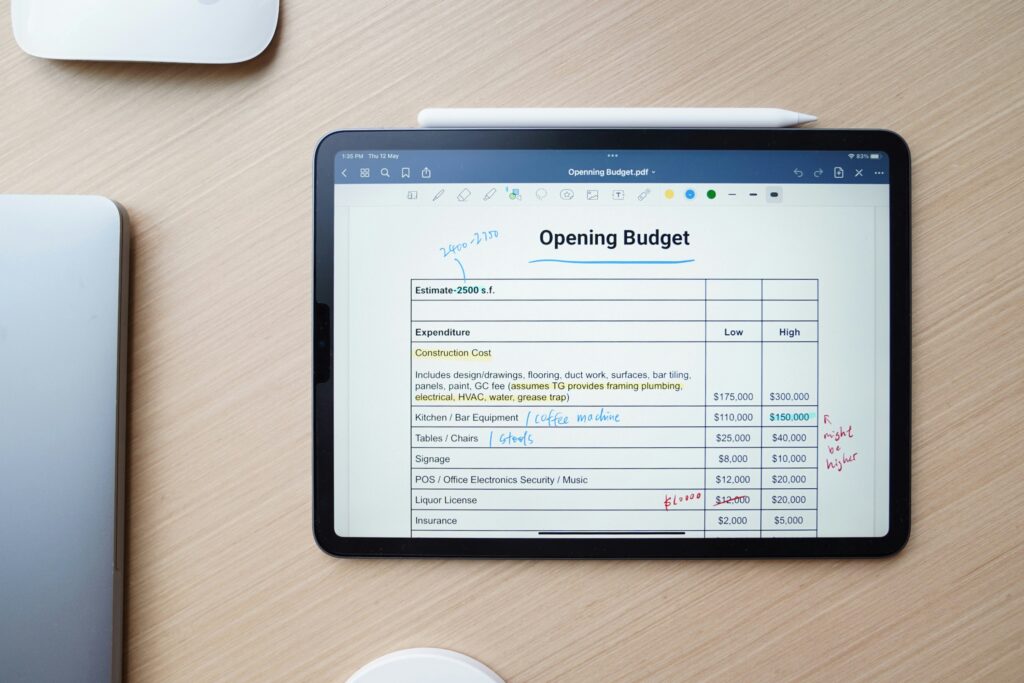
A monthly budget is the foundation of every financial success story. It’s not about restricting yourself — it’s about telling your money where to go before it disappears. Studies show that people with a written budget save 20% more than those without one.
This guide walks you through a proven step-by-step budgeting process, introduces the most popular budgeting methods, and shows you how to use our free Budget & Savings Calculator to track your progress toward your financial goals.
Step 1: Calculate Your Monthly Income
Start with your net monthly income — the amount that actually lands in your bank account after taxes and deductions. Include all income sources: salary, freelance work, rental income, side hustles. If your income varies, use a 3-month average.
Tip: Use our Salary Tax Calculator to quickly find your net monthly income from your gross salary.
Step 2: List All Your Monthly Expenses
Fixed expenses
Rent/mortgage, car payment, insurance premiums, subscriptions — the same every month
Variable necessities
Groceries, utilities, fuel, healthcare — they fluctuate but are non-negotiable
Discretionary spending
Dining out, entertainment, shopping, hobbies — wants, not needs
Savings contributions
Emergency fund, retirement, investment accounts
Tip: Use our ROI Calculator to get the idea about your future investments.
Step 3: Choose a Budgeting Method
The 50/30/20 Rule
Popularised by Senator Elizabeth Warren, this simple framework allocates your after-tax income as follows:
- 50% → Needs (housing, food, utilities, transportation, insurance)
- 30% → Wants (dining out, entertainment, travel, hobbies)
- 20% → Savings and debt repayment
Example ($5,000 net income): Needs: $2,500 | Wants: $1,500 | Savings/Debt: $1,000
The Zero-Based Budget
Every dollar is assigned a job. Income minus all expenses (including savings) = zero. More work to set up, but gives maximum control and awareness of every spending decision.
The Pay-Yourself-First Method
Set up automatic transfers to savings on payday. Budget with what’s left. This is the most effective method for building wealth because saving becomes non-negotiable.
Step 4: Calculate Your Savings Rate
Your savings rate is the percentage of your income you save. Financial independence experts recommend targeting 20–30%+. Even a 10% savings rate, consistently maintained, builds significant wealth over time.
Savings Rate Formula: Savings Rate = (Monthly Savings ÷ Monthly Income) × 100
Step 5: Set a Savings Goal and Timeline
A budget without a goal is just an expense tracker. Use our Budget & Savings Calculator to:
- Enter your monthly income and total monthly expenses
- See your monthly savings amount and savings rate automatically
- Enter your savings goal (emergency fund, down payment, vacation)
- Get your exact months to goal and projected completion date
→ Use the Free Budget & Savings Calculator to build your personal plan